the Trap
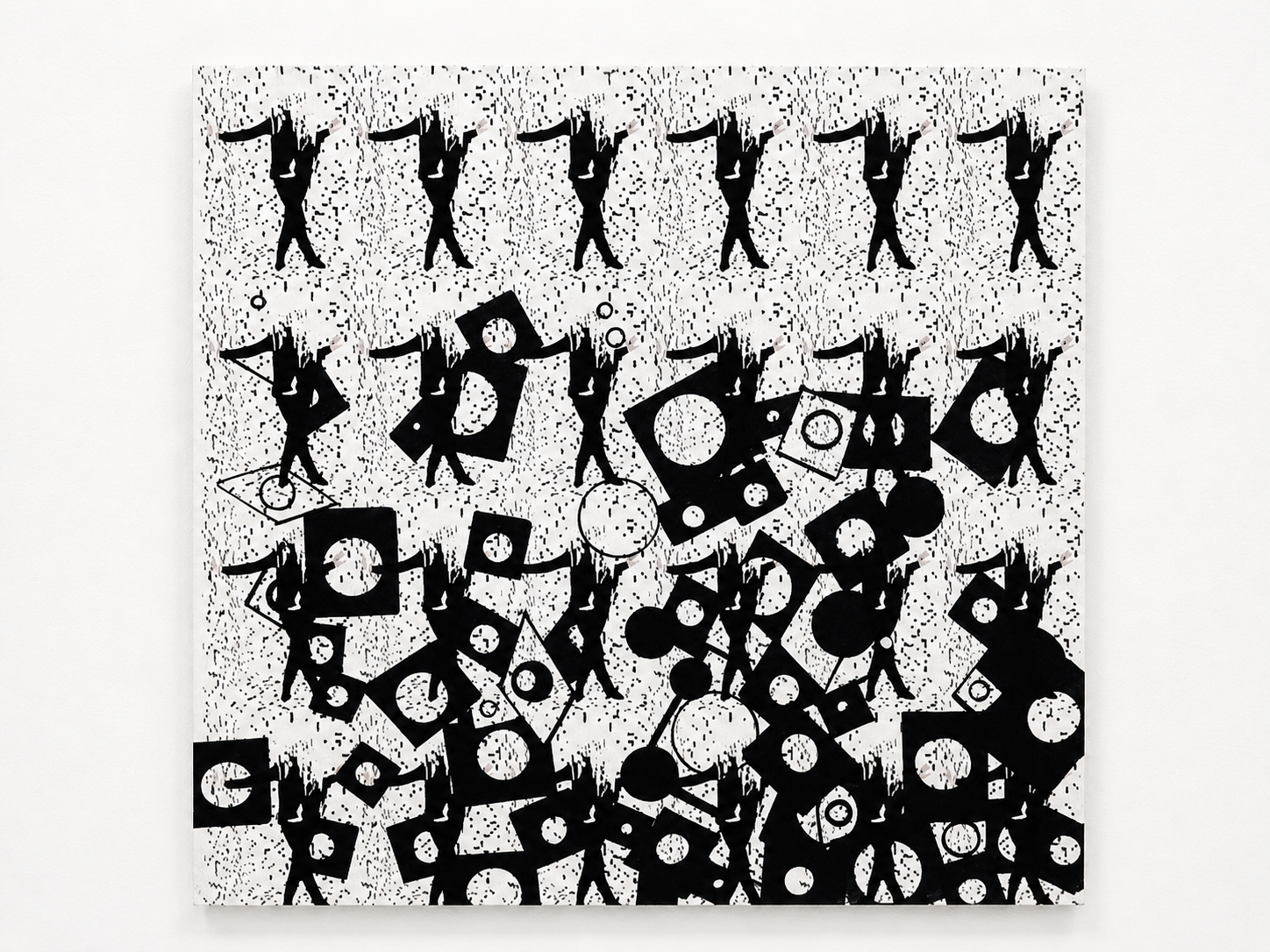
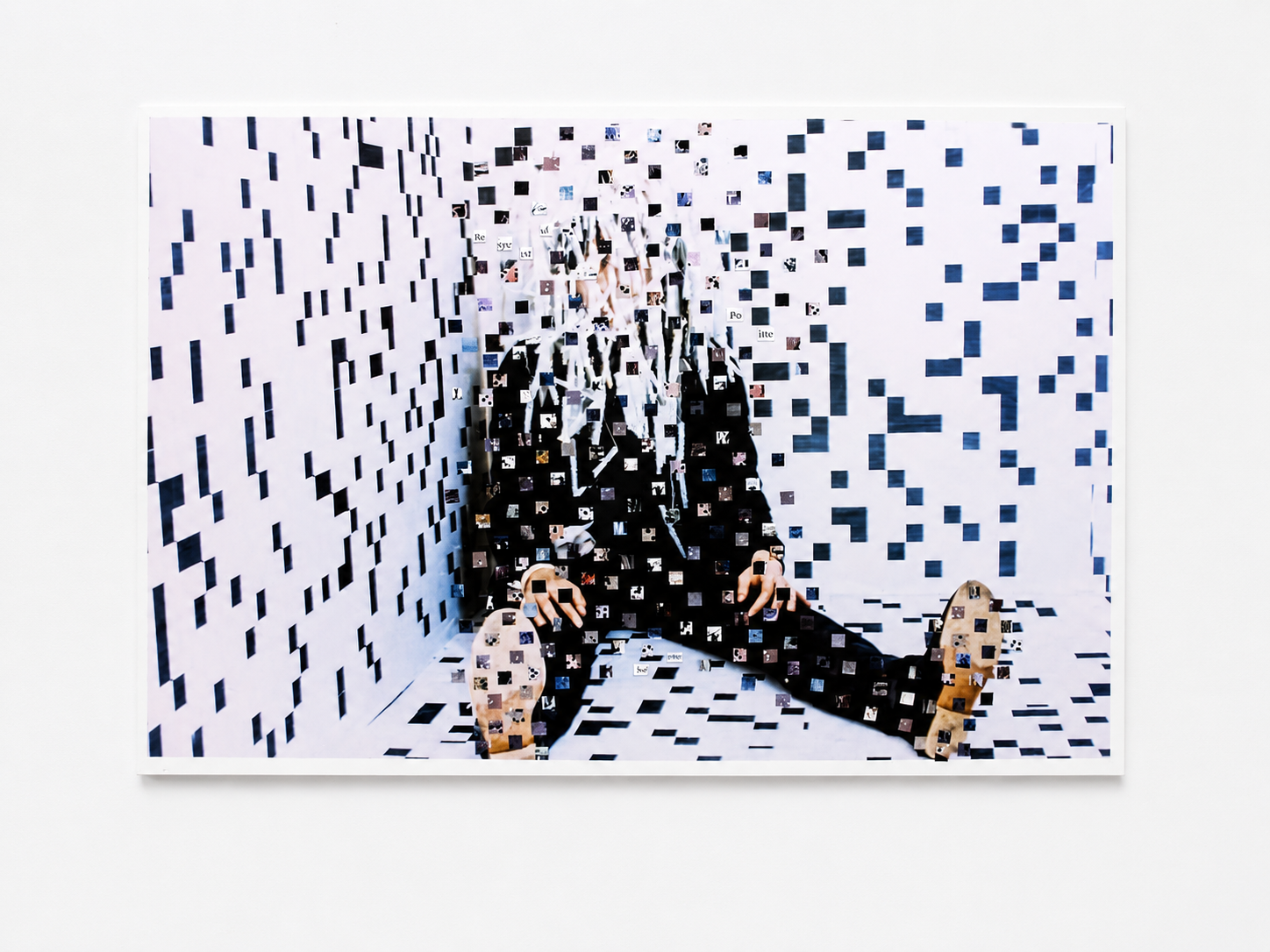
The Trap explores the psychological experience of being contained within culture, using the body, photography and symbolic mark-making to examine identity, inherited belief and the desire for self-liberation.
The Trap explores the psychological, cultural and emotional experience of being contained within inherited systems of belief. Developed during my university years, this body of work reflects on culture as both a source of identity and a structure of limitation — something we are born into, shaped by, and often unable to fully escape. While culture provides belonging, language and tradition, it can also quietly direct behaviour, belief and self-perception from an early age.
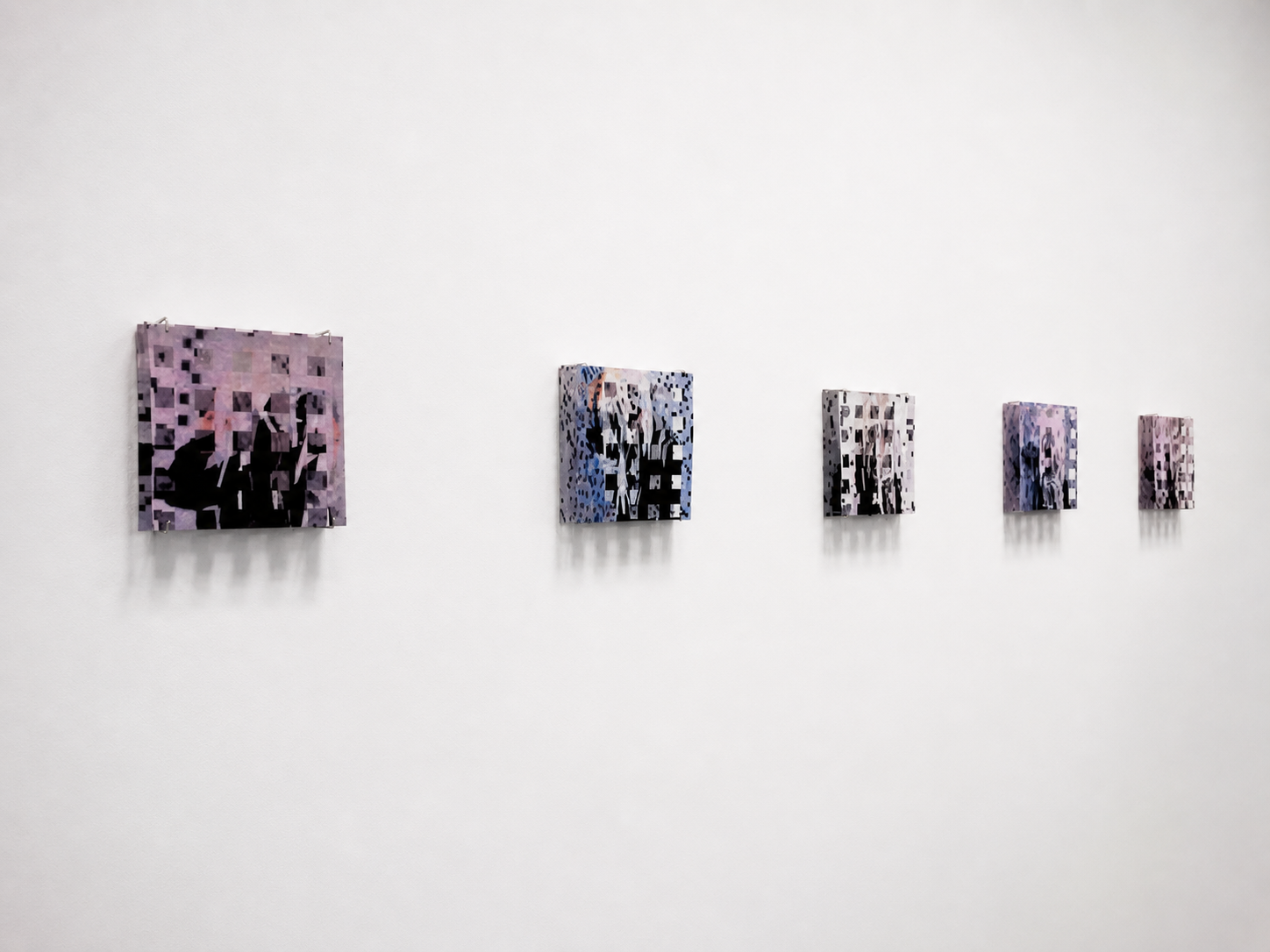
Cut Through Photograph, Acid Free Plastic Pin On Wall
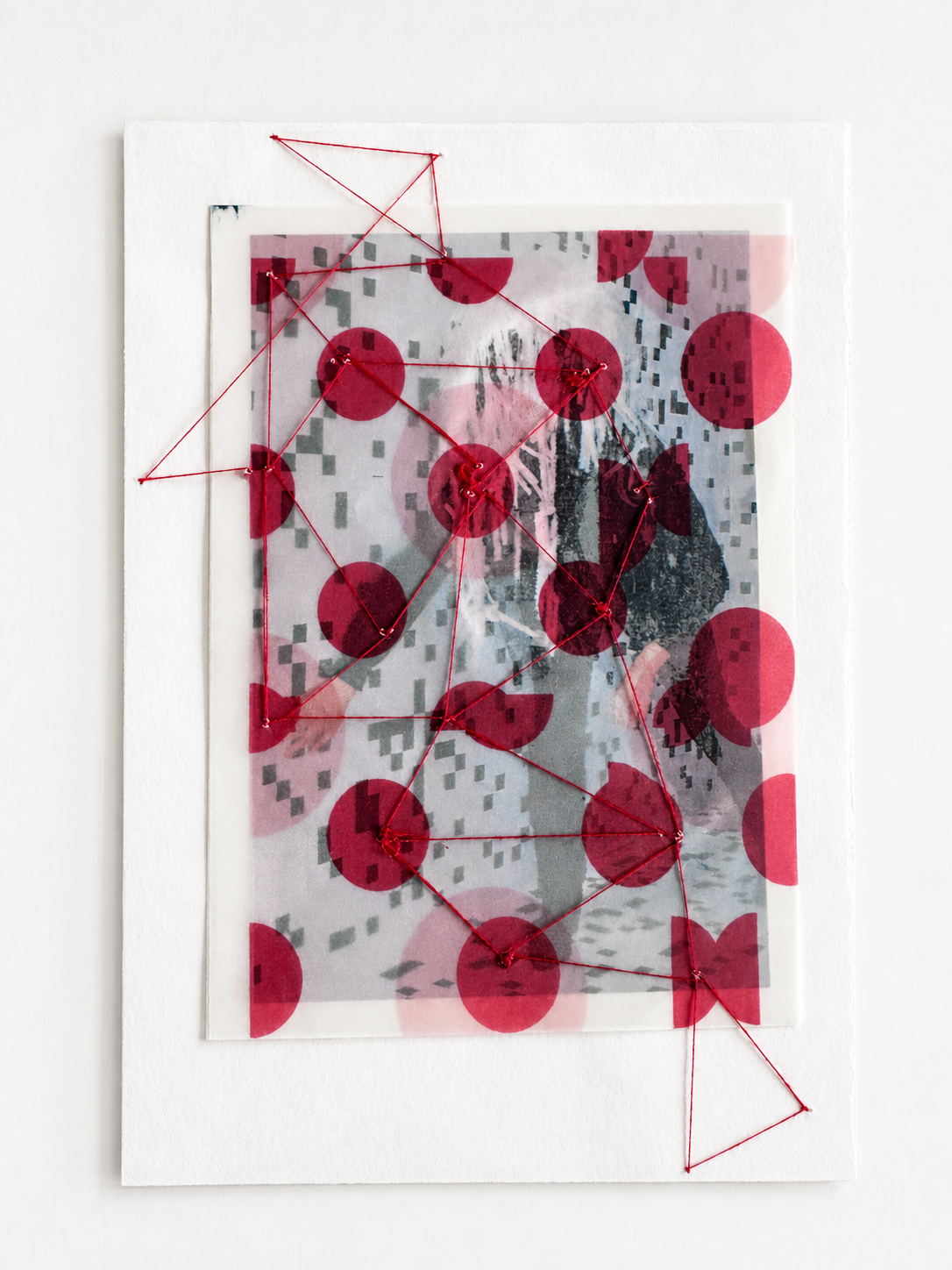
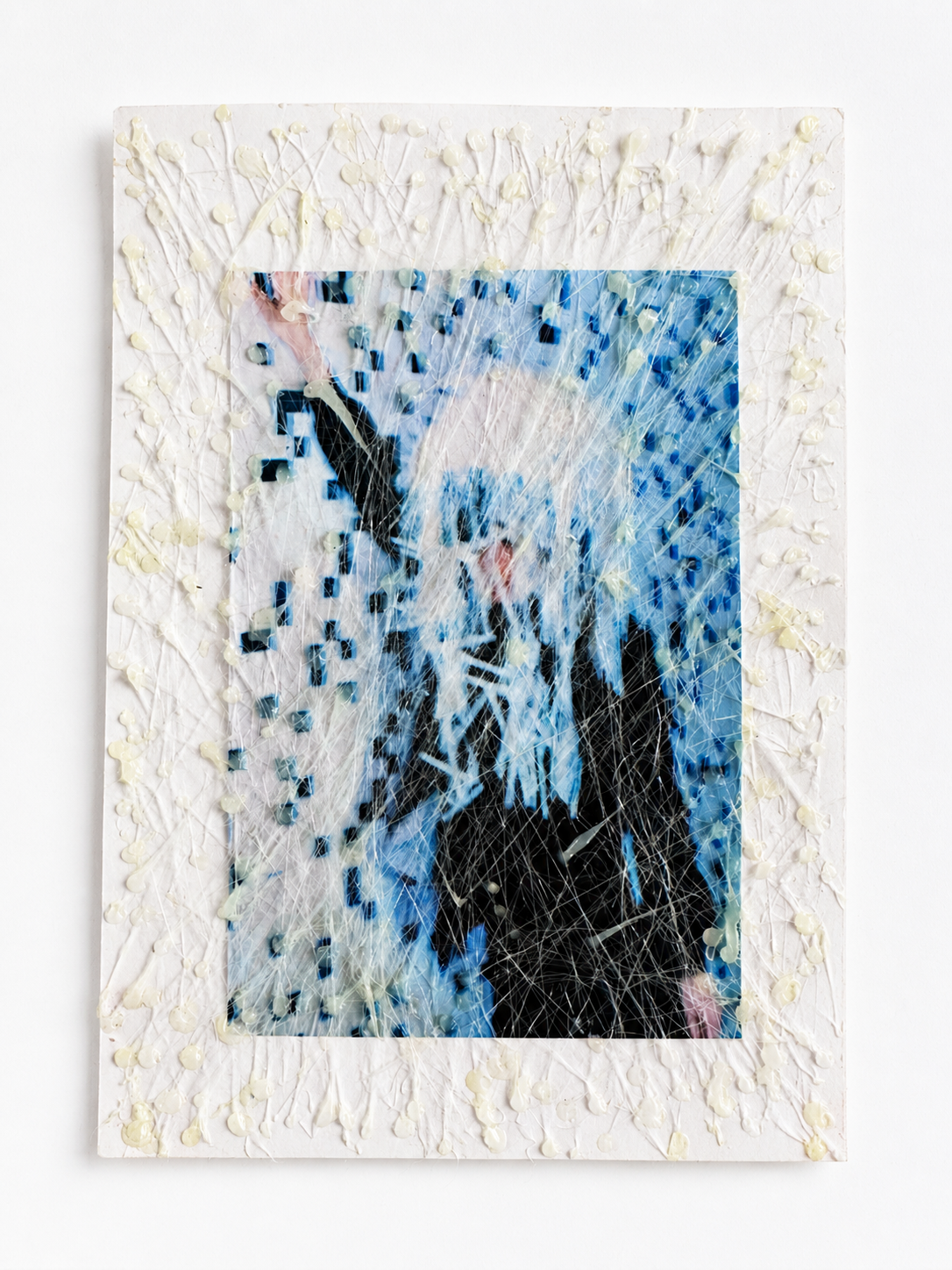
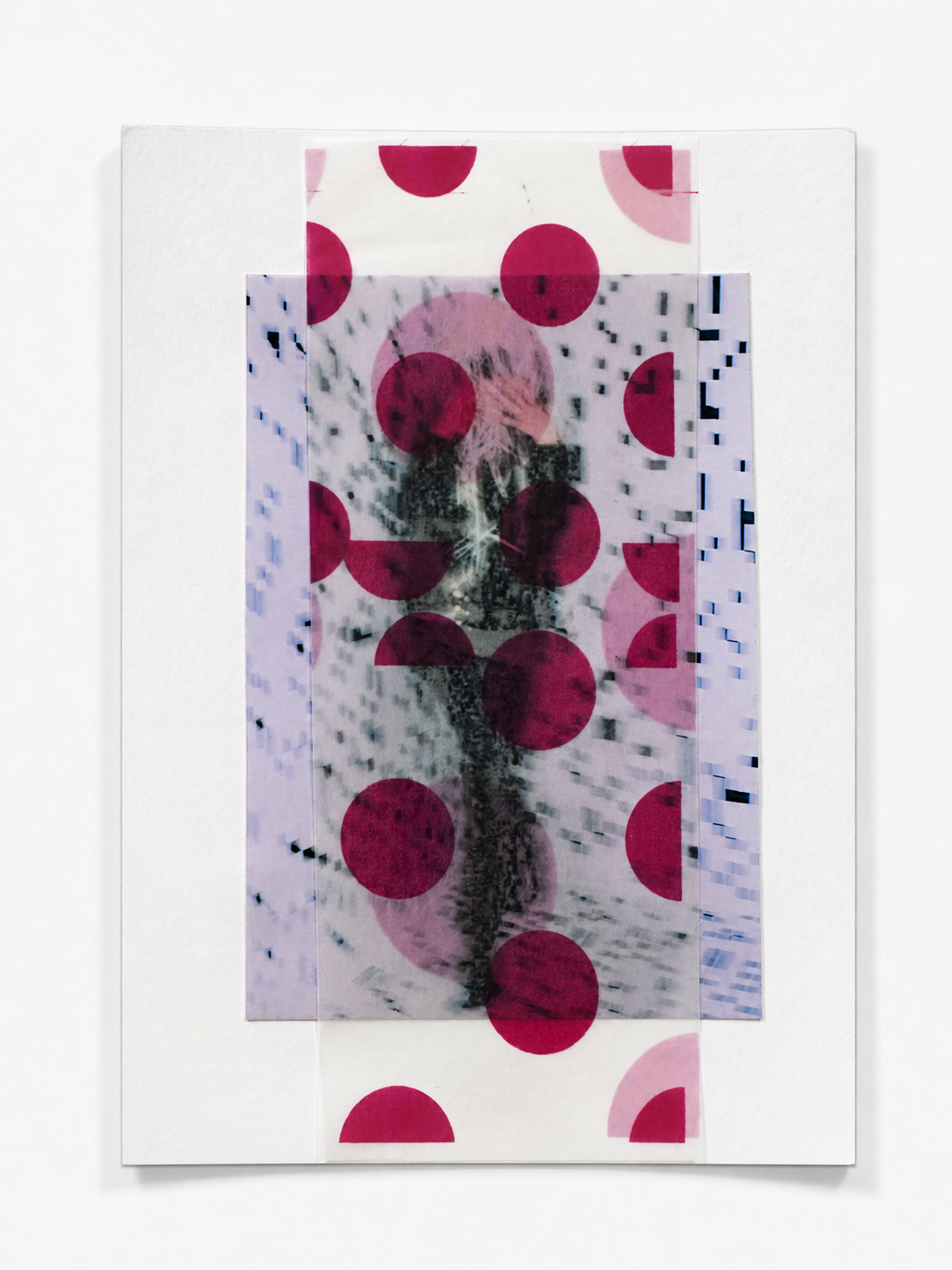
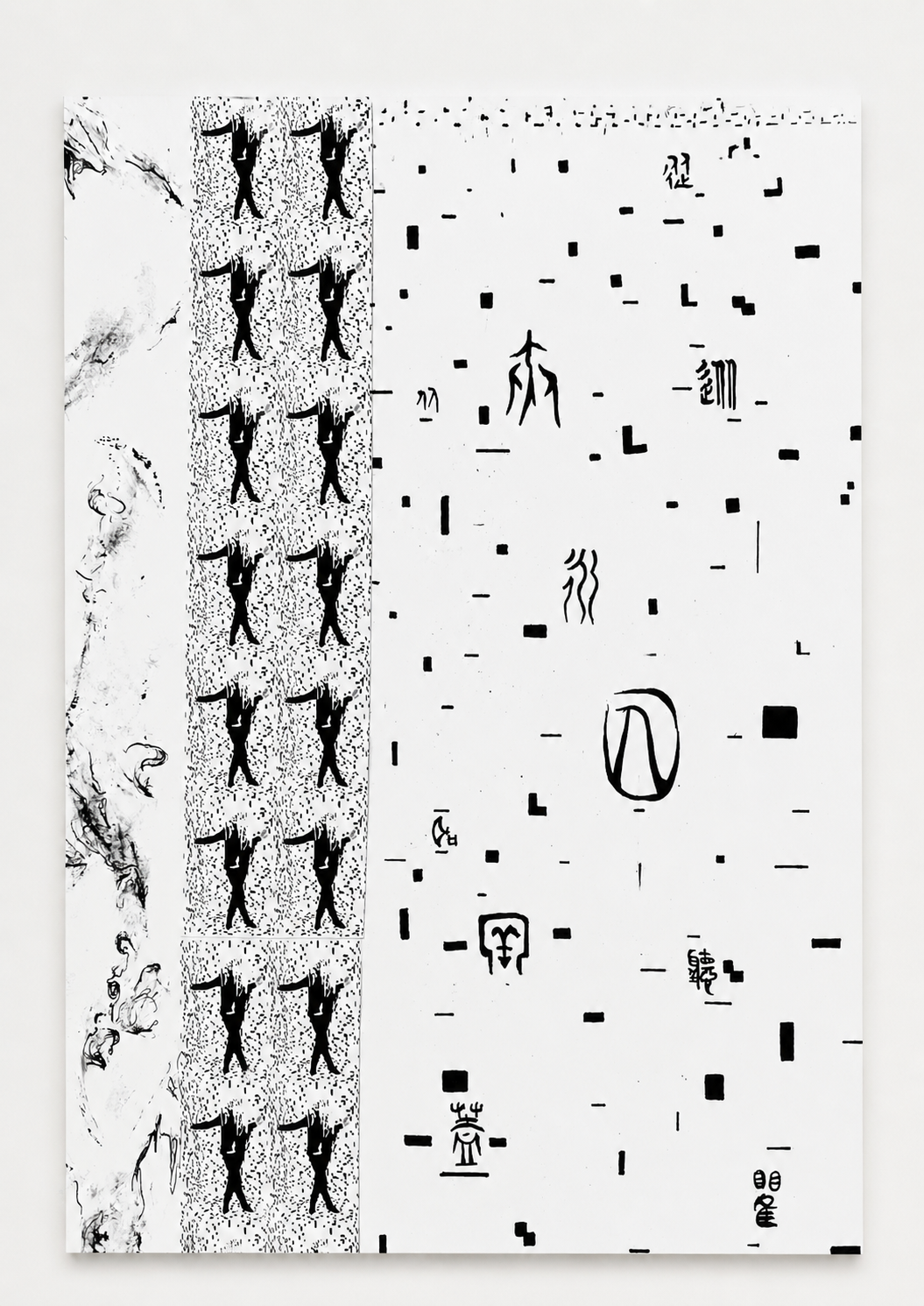
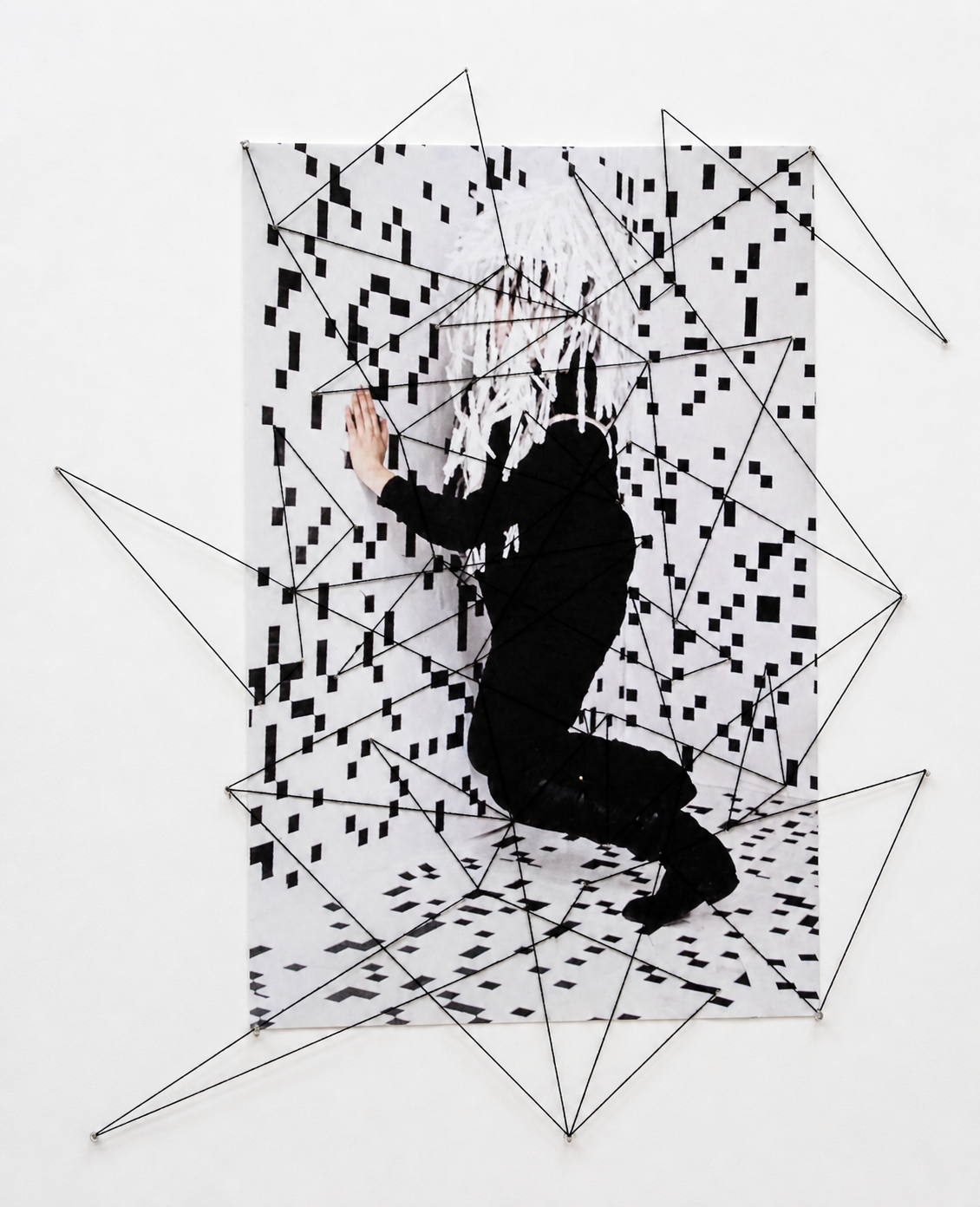
Black Threads on Print Installation
This series emerged from a deeper investigation into the self, following an earlier body of work titled Emotions. Influenced by artists such as Marlene Dumas and Marina Abramović, I became interested in how personal experience, the body and psychological tension could become material for art-making. Dumas’ use of photographic imagery as a foundation for painting, and Abramović’s use of the body as a site of endurance, rebellion and direct encounter, both informed my own understanding of the body as more than a subject. Within The Trap, the body becomes a vehicle — a site where cultural memory, restriction and inner conflict are carried, recorded and exposed.
Photography became the starting point for this series because of its association with truth, documentation and lived experience. The photographed figure appears stitched into her environment, suggesting a body embedded within the cultural and social conditions that surround her.
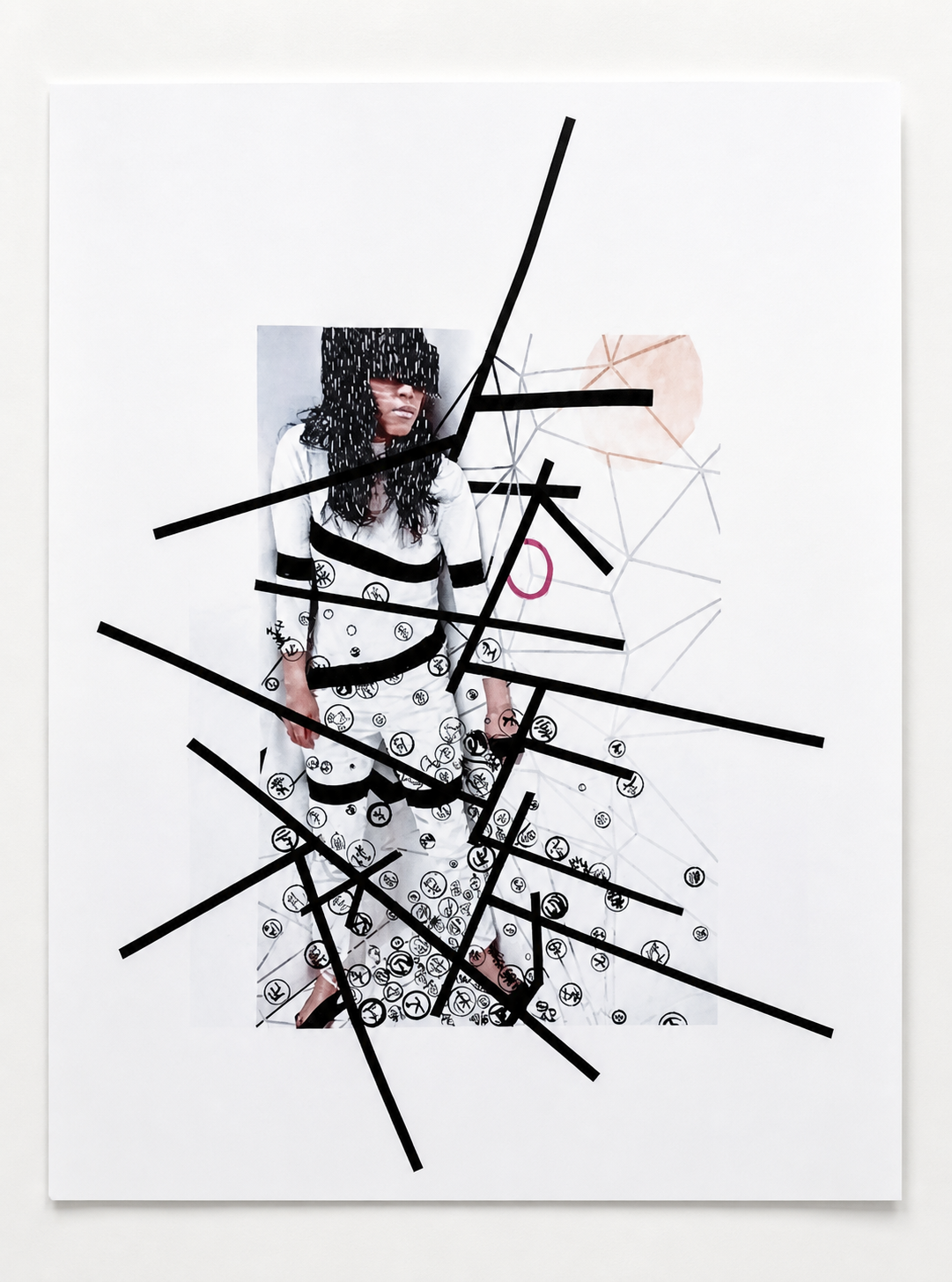
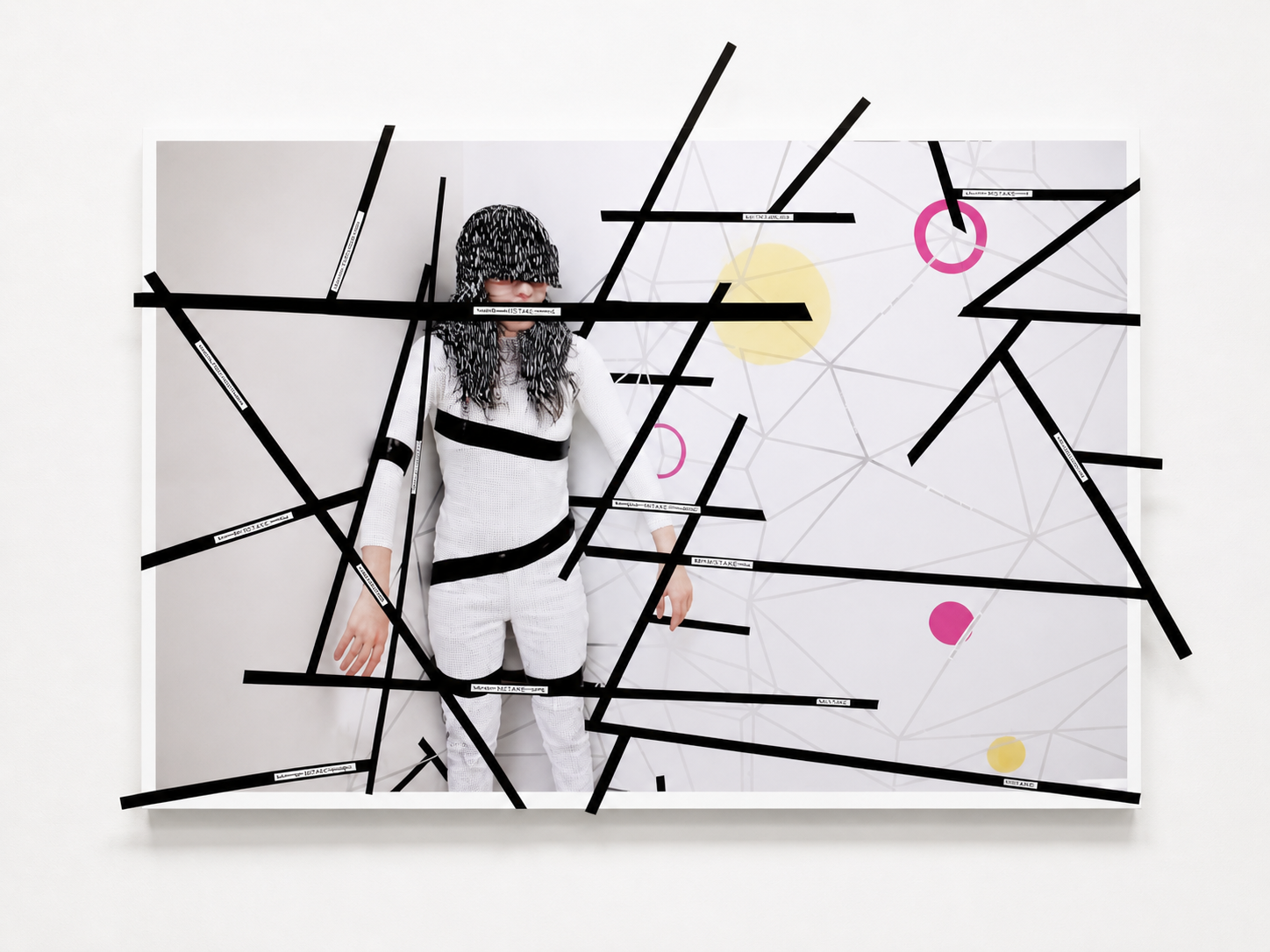
Over these photographic images, I introduced drawn marks, circles, lines and traditional Chinese oracle-bone inscriptions. These additions create a layered visual language of control, repetition and inherited command. The circles suggest cycles of restriction; the inscriptions point to cultural origins and ancestral systems; while the constructed lines evoke bars, pathways and maze-like structures. Together, these elements form a visual metaphor for entrapment — a space where the figure is caught between identity, memory, tradition and the desire for self-liberation.